
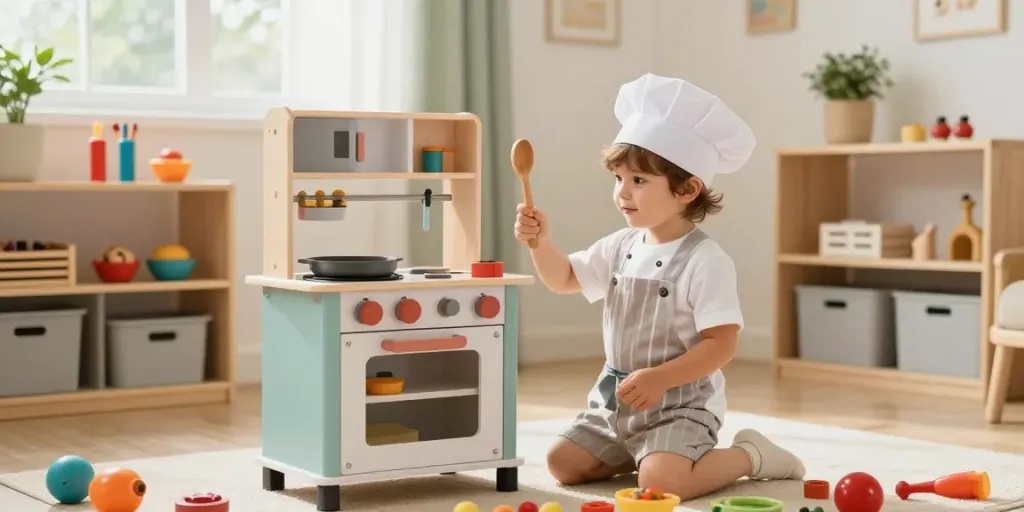
Introduction to Toy Kitchens
Toy kitchens have long been a staple of imaginative play for children, offering them a gateway to explore their creativity while mimicking adult behaviours and routines. These playful sets encourage kids to engage in role-playing scenarios that foster social skills, cognitive development, and even basic culinary skills. As we move through 2026, the evolution of toy kitchens continues to unfold with innovative designs and increased focus on sustainability and safety. When exploring options, toy kitchen sets remain an enriching addition to any child's playroom.
What is a Toy Kitchen?
A toy kitchen is a miniature, functional kitchen set designed specifically for children to engage in pretend play. These toys resemble real kitchens and usually come equipped with various accessories, such as pots, pans, utensils, and play food. Made from materials like wood, plastic, or metal, they can vary greatly in size, style, and complexity, catering to different age ranges and preferences. The charm of a toy kitchen lies in its ability to transform everyday cooking experiences into delightful playtime adventures, encouraging children to imitate what they see in their real kitchens.
Benefits of Playing with Toy Kitchens
- Imaginative Play: Toy kitchens inspire creativity, allowing children to invent their own recipes, host dinner parties, or even run their own restaurants.
- Skill Development: Kids learn valuable motor skills and hand-eye coordination through the manipulation of accessories and food items.
- Social Interaction: Playing with toy kitchens often involves collaboration, promoting teamwork and communication among peers or siblings.
- Cognitive Growth: Role-playing scenarios help in understanding everyday tasks and concepts, enhancing problem-solving abilities.
- Emotional Skills: Pretend play fosters empathy as children take on various roles, understanding the perspectives of others.
Types of Toy Kitchens Available
Today's market offers a broad range of toy kitchens, each catering to different preferences and developmental needs:
- Wooden Toy Kitchens: Durable and often aesthetically pleasing, wooden kitchens provide a classic look and can withstand the test of time.
- Plastic Toy Kitchens: Lightweight and often more affordable, these options often feature interactive elements like lights and sounds.
- Compact or Folding Kitchens: Ideal for smaller spaces, these kitchens can be easily stored away when not in use.
- Eco-Friendly Options: Sustainable kitchens made from recyclable materials are increasingly popular, appealing to environmentally conscious parents.
Choosing the Right Toy Kitchen
Factors to Consider When Selecting
When choosing a toy kitchen, several factors can help narrow down the options:
- Age Appropriateness: Ensure the kitchen set is suitable for your child's age, as smaller children may need simpler designs.
- Size: Consider the available space in your home and the kitchen's size to avoid overcrowding play areas.
- Features: Look for kitchens with interactive features, such as sounds or lights, that can enhance the play experience.
- Design: Choose a design that fits your home decor or your child's preferences, whether it's modern, traditional, or themed.
- Budget: Determine your budget range beforehand, as prices can vary significantly based on brand and materials.
Safety Features to Look For
Safety should be a top priority when selecting a toy kitchen.
- Material Safety: Ensure that the materials used are non-toxic and free from harmful chemicals.
- Stability: A stable structure helps prevent tipping over, especially during vigorous play.
- Round Edges: Opt for designs with rounded edges to reduce the risk of injury during play.
- Age Labels: Always adhere to age recommendations provided by the manufacturer, as they reflect safety considerations.
Top Brands for Toy Kitchens
Some brands have carved a niche for themselves by consistently producing high-quality toy kitchens:
- Melissa & Doug: Known for their durable and well-designed toys, their kitchens often feature realistic accessories.
- Little Tikes: A favourite for outdoor playsets, they offer sturdy and fun kitchen sets for young children.
- Tiny Land: Their wooden kitchens are both beautiful and functional, appealing to parents who value aesthetics.
- KidKraft: Offers a wide variety of themed kitchens that cater to different interests and preferences.
Creative Play Ideas with Toy Kitchens
Role-Playing Scenarios for Kids
The beauty of a toy kitchen lies in the limitless role-playing scenarios it can inspire. Here are a few fun ideas:
- Chef for a Day: Children can take turns being the chef, creating dishes using their imaginations.
- Restaurant Owner: Set up a mock restaurant where kids can take orders, "cook" meals, and serve them to family members.
- Supermarket Adventure: Use play food and kitchen items to simulate shopping experiences, teaching kids about food choices.
Incorporating Educational Elements
Parents can blend fun with education by including learning opportunities in play:
- Measurements: Integrate concepts of measurement by having kids measure ingredients while playing.
- Counting: Use play food for counting games, enhancing basic math skills.
- Food Groups: Teach children about nutrition and food groups through pretend cooking.
Group Play Activities to Enhance Social Skills
Encouraging cooperative play can significantly enhance social skills among children. Here are some activities:
- Team Cooking: Organise team-based cooking challenges where kids work together to create a meal.
- Food Festivals: Host a mock food festival where children showcase their culinary creations.
- Role Exchange: Allow children to switch roles, giving them a taste of different responsibilities in the kitchen.
Maintaining and Caring for Your Toy Kitchen
Cleaning and Safety Tips
Maintaining cleanliness and safety in your child's kitchen can prolong its life and ensure safe play:
- Regular Cleaning: Disinfect surfaces with non-toxic cleaners to remove germs.
- Inspect for Damage: Regularly check for broken pieces or wear and tear that could pose safety risks.
- Teach Responsibility: Involve your child in cleaning up after playtime, fostering a sense of responsibility.
Storage Solutions for Toy Kitchens
Organising kitchen accessories can prevent clutter and make playtime more enjoyable:
- Clear Storage Bins: Use labelled bins to store food items and utensils, making it easy for children to find and return items.
- Wall Hooks: Install hooks above the kitchen area to hang utensils and aprons for easy access.
- Multi-Functional Furniture: Consider storage benches that can also serve as seating during play.
DIY Customization Ideas
Personalising your child's toy kitchen can make play more engaging:
- Paint: Consider repainting a wooden kitchen to match your child’s favourite theme or personality.
- Accessory Upgrades: Add new accessories or homemade play food for a refreshed experience.
- Theme Decoration: Decorate the kitchen space with stickers or wall decals to create a themed environment.
The Future of Toy Kitchens in 2026
Emerging Trends and Innovations
The toy kitchen market is evolving, embracing new trends that cater to modern children:
- Interactive Technology: Smart kitchens with apps or voice interactions will likely become commonplace, combining play with technology.
- Sustainability: There's a growing demand for eco-friendly materials as parents become increasingly environmentally conscious.
- Inclusive Designs: Brands are focusing on inclusive designs catering to children of all abilities, ensuring that all kids can enjoy the role of a chef.
How Toy Kitchens Foster Learning and Development
Toy kitchens contribute significantly to a child's learning and development:
- Language Skills: Engaging in dialogue as they play helps expand their vocabulary.
- Problem Solving: Cooking scenarios require children to think critically about how to achieve their desired outcomes.
- Routine Familiarity: Familiarity with kitchen tasks can make children more confident in the real-world kitchen environment.
Looking Ahead: Predictions for the Toy Market
The toy market continues to grow, particularly within the realm of imaginative play. Experts suggest that:
- Growth in Eco-Friendly Toys: The demand for sustainable toys is expected to rise, influencing production practices.
- Increased Focus on Multi-Purpose Toys: Parents will gravitate towards toys that offer longevity and can adapt to their children's evolving interests.
What is the Best Age for a Toy Kitchen?
While toy kitchens can be enjoyed by children as young as two years old, the best age often depends on the complexity of the kitchen:
- Under 3 Years: Simple kitchens with fewer accessories are ideal for younger toddlers.
- 3-5 Years: At this age, children can engage in more imaginative role play and benefit from more complex kitchen sets.
- 5 Years and Older: Older children might enjoy themed kitchens that allow them to explore creativity more deeply.
How Can I Encourage Cooperative Play with a Toy Kitchen?
Fostering an environment for cooperative play involves creating opportunities for joint play experiences:
- Invite Friends Over: Arrange playdates where children can cook together.
- Set Up Play Scenarios: Direct activities such as cooking competitions to encourage teamwork.
- Provide Shared Tasks: Assign roles that require children to collaborate to complete a dish.
What Materials Should I Choose for Safety?
When selecting a toy kitchen, safety materials are paramount:
- Non-Toxic Plastics: Ensure any plastic components are free from BPA and phthalates.
- Natural Wood Finishes: Opt for kitchens made from sustainably sourced wood with non-toxic finishes.
Are There Any Eco-Friendly Toy Kitchen Options?
Yes, many brands are incorporating eco-friendly practices into their manufacturing processes:
- Recycled Materials: Some toy kitchens are made from recycled plastics or woods.
- Sustainable Production: Brands focused on minimizing their carbon footprint often use local materials and renewable energy.
What Accessories Can Enhance the Toy Kitchen Experience?
Enhancing the toy kitchen experience can be as simple as adding accessories:
- Play Food Sets: Realistic food items can spark imagination and foster cooking skills.
- Utensils and Cookware: Additional pots, pans, and utensils can enhance the variety of play scenarios.
- Chef Costumes: Providing aprons or chef hats adds an additional fun element to pretend play.
How Do I Teach Cooking Skills through Pretend Play?
Teaching cooking skills through pretend play can be enjoyable and educational:
- Incorporate Real Recipes: Use simple, real recipes that children can mimic with their toys.
- Discuss Ingredients: Talk about the ingredients used in play and their health benefits.
- Make It Interactive: Engage children by asking them to “help” with real cooking tasks using their toy kitchen as practice.